


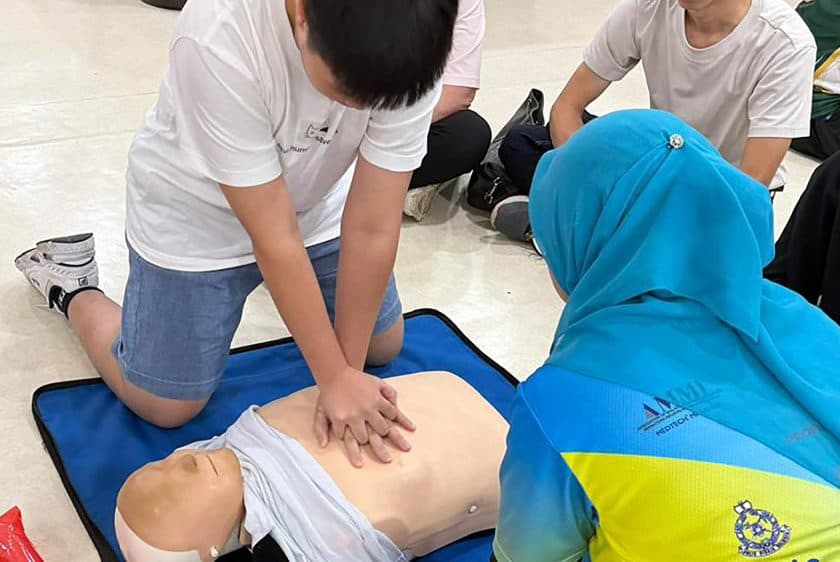
Sudden cardiac arrest gives responders very little time to act. Every minute without treatment lowers a patient’s chance of survival by about 10 percent. For clinics, pharmacies, and hospitals across Sarawak, having a reliable Automated External Defibrillator (AED) on hand matters. It can be the difference between a full recovery and a preventable death.
What Does an AED Actually Do?
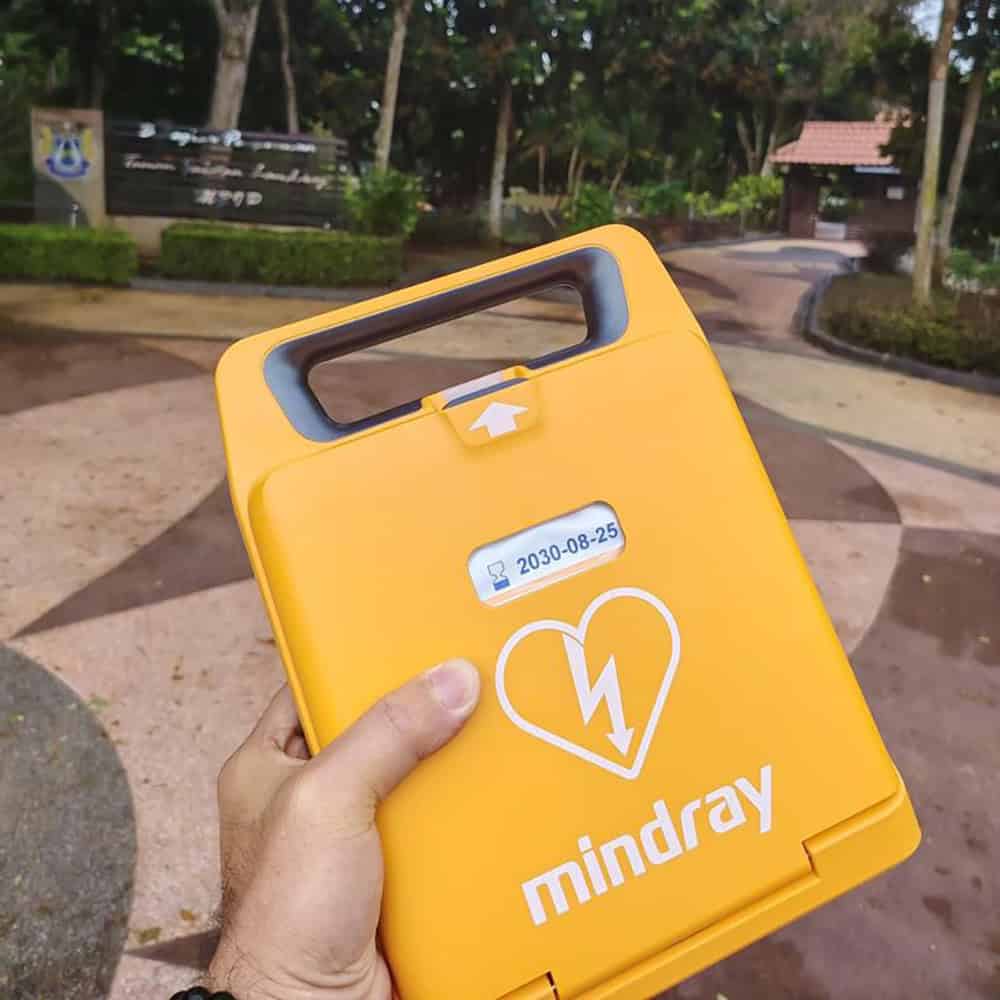
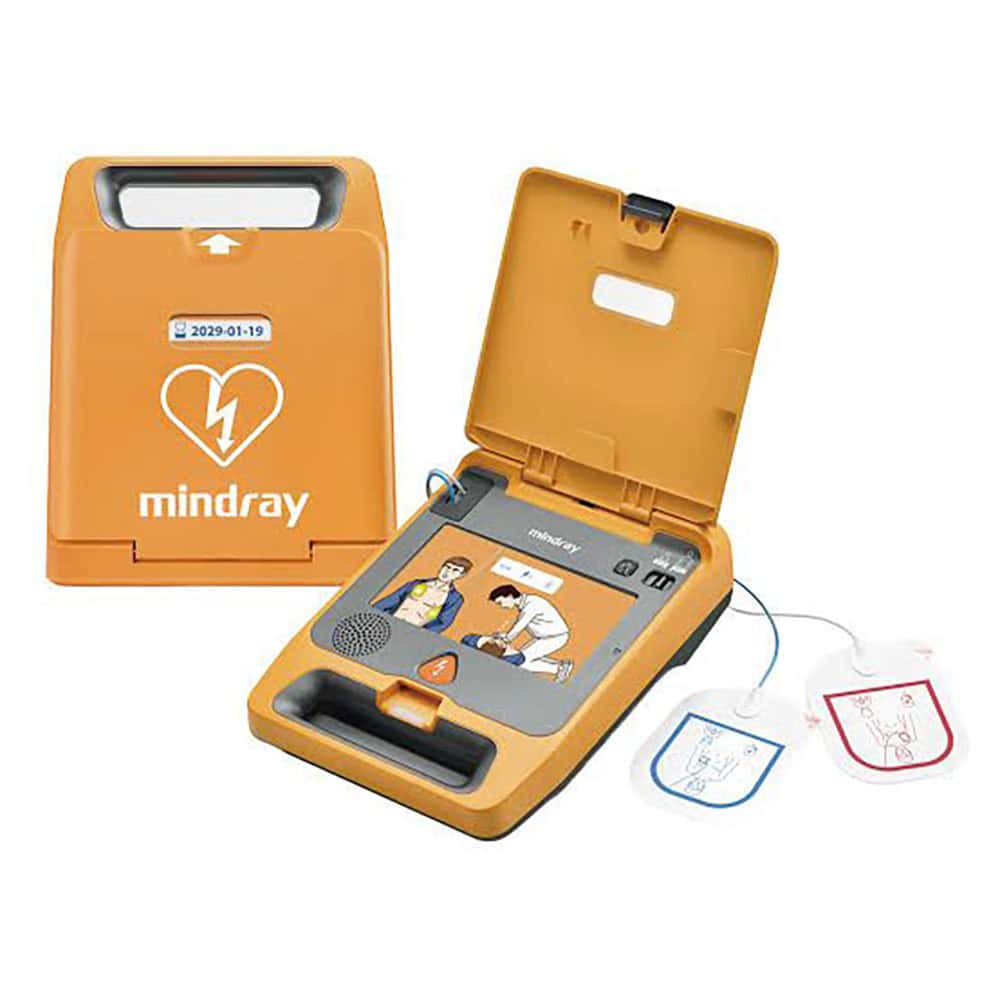
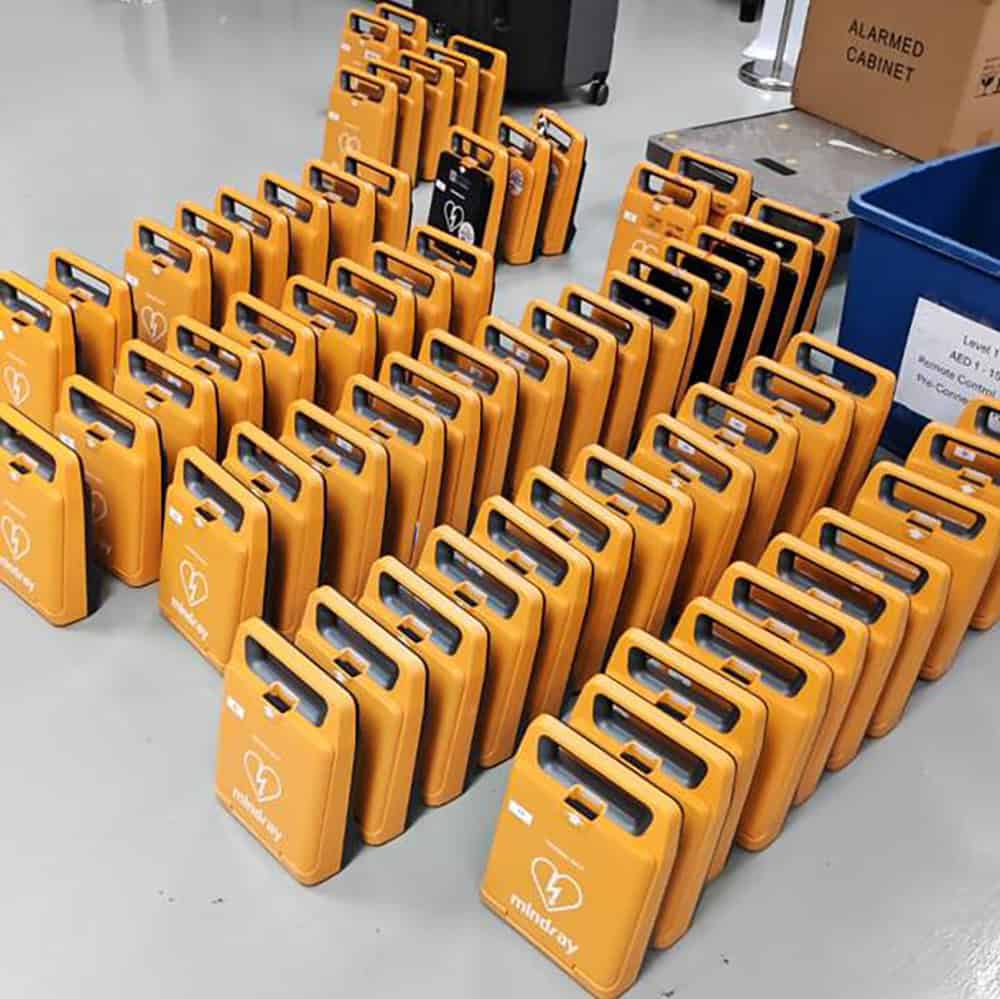
An AED analyses a patient’s heart rhythm and delivers a controlled electric shock if needed to restore a normal heartbeat. Modern devices like the Mindray BeneHeart C1A and C2 walk the operator through each step with voice prompts. This means even a first-time user can respond correctly under pressure. This matters most in the first few minutes after collapse, before an ambulance can arrive.
Why Response Time Matters Most
Healthcare facilities are often the first point of contact when a cardiac emergency happens nearby. A pharmacy or clinic with an AED on-site can begin treatment immediately instead of waiting for emergency services. Facilities that keep a defibrillator within reach handle emergencies far better. Training staff on its use and checking the device regularly makes the biggest difference.
Where Should an AED Be Placed?
Placement should prioritise high-traffic, high-risk areas. Reception areas, waiting rooms, and staff stations are common choices. They allow quick access from anywhere in the facility. Keep the device visible, unlocked, and free from obstruction at all times.
How Often Should an AED Be Checked?
Most AEDs run a self-check automatically, but batteries and pads still expire and need replacement. The HeartSine Samaritan PAD range, for instance, uses PAD-PAK cartridges. These combine the battery and pads into a single unit with a clear expiry date. Routine checks become straightforward for busy staff.
Who Should Be Trained to Use One?
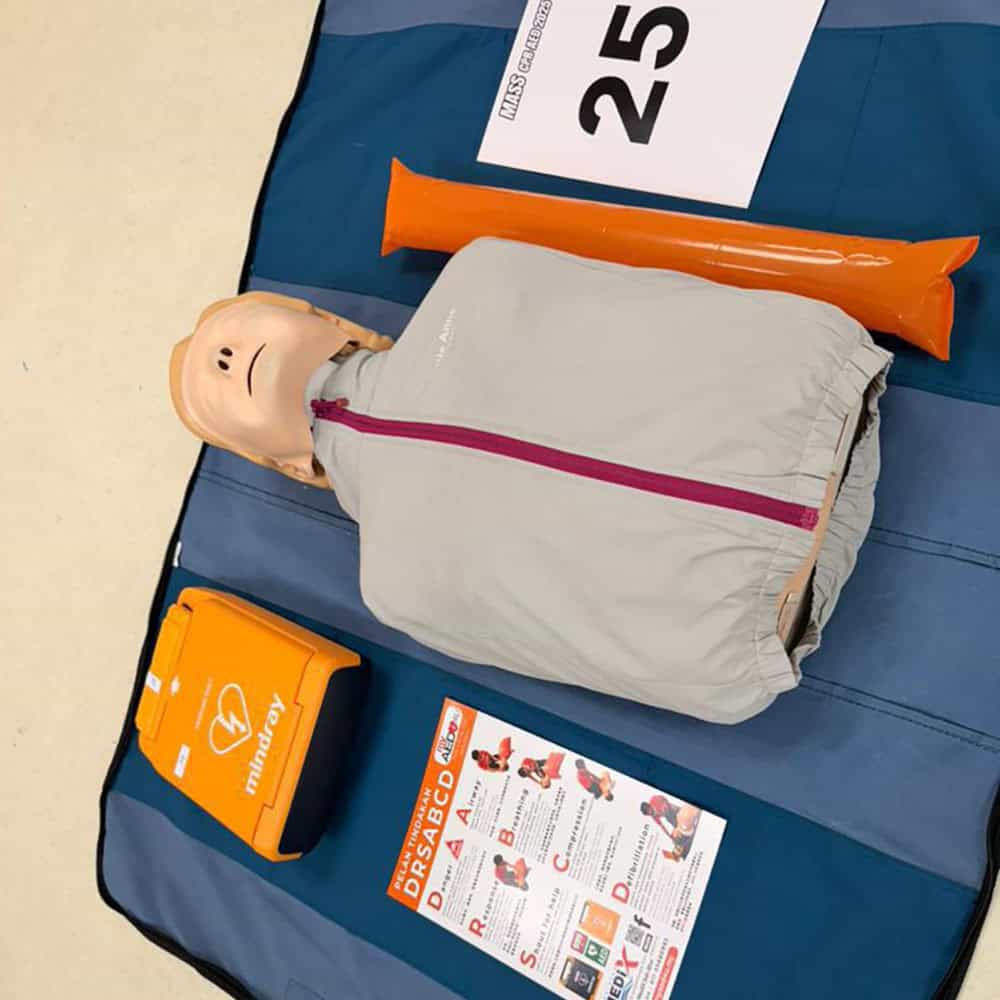
Anyone can use an AED, trained or not. A facility still runs more smoothly in an emergency when several staff members know the basic steps in advance. Short refresher sessions, even informal ones, help reduce hesitation when it matters most.
Choosing the Right AED for Your Facility
Not every facility has the same needs. A busy hospital ward may want a fully automatic device with continuous monitoring. A smaller clinic may prioritise simplicity and low maintenance instead. Considerations include:
- Ease of use: clear voice prompts and minimal steps under stress
- Maintenance cost: how often batteries and pads need replacing, and what they cost
- Portability: weight and carry case, especially for facilities with more than one floor
- Local support: access to genuine replacement parts and servicing within Sarawak
Supporting Emergency Preparedness Across Sarawak
Lawmann Medical Supplies distributes Mindray and HeartSine AEDs to clinics, pharmacies, and hospitals across Sarawak. With over 35 years serving the region, we help facilities choose the right device and source genuine replacement parts. We also keep emergency equipment ready when it counts.
If your facility is reviewing its emergency preparedness, our team can help. We’ll walk you through AED options suited to your setting and budget.
WhatsApp us at +6019 866 1638 to speak with our team about AED options for your facility.

 English